
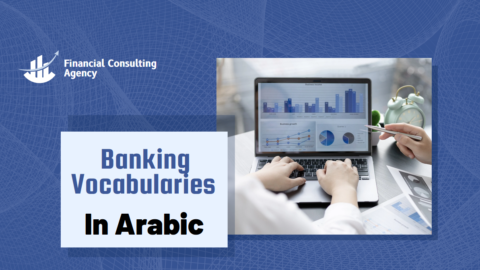
Money is a fundamental topic for everyday communication. Whether shopping, traveling, paying bills, or discussing your budget, mastering common Arabic money expressions will significantly enhance your understanding of real conversations and help you speak more naturally.
In this lesson, you will learn essential Arabic words related to money, useful expressions, example dialogues, and a short practice exercise.
Basic Money Vocabulary
Therefore, here are the most important words:
| Arabic | Transliteration | English |
|---|---|---|
| مال | māl | money |
| نقود | nuqūd | cash |
| سعر | siʿr | price |
| ثمن | thaman | cost / price |
| دولار | dūlār | dollar |
| جنيه | junayh | pound |
| يورو | yūrū | euro |
| محفظة | maḥfaẓah | wallet |
| بطاقة | biṭāqah | card |
| حساب | ḥisāb | account |
| بنك | bank | bank |
Examples
- أين محفظتي؟
Ayna maḥfaẓatī?
“Where is my wallet?” - أريد الدفع بالبطاقة
Urīdu ad-dafʿa bil-biṭāqah.
“I want to pay by card.”
Common Money Expressions
These expressions are very common in daily Arabic.
I have money
لديَّ مال
Ladayya māl
“I have money.”
Example:
- لديَّ مال كافٍ لشراء الكتاب
Ladayya māl kāfin lishirāʾ al-kitāb.
“I have enough money to buy the book.”
I don’t have money
ليس لديَّ مال
Laysa ladayya māl
“I don’t have money.”
Example:
- ليس لديَّ مال اليوم
Laysa ladayya māl al-yawm.
“I don’t have money today.”
The price is expensive
السعر غالٍ
As-siʿru ghālin
“The price is expensive.”
Example:
- هذا الهاتف غالٍ جدًا
Hādhā al-hātif ghālin jiddan.
“This phone is very expensive.”
The price is cheap
السعر رخيص
As-siʿru rakhīṣ
“The price is cheap.”
Example:
- هذه الحقيبة رخيصة
Hādhihi al-ḥaqībah rakhīṣah.
“This bag is cheap.”
Asking About Prices
When shopping, these are the most useful questions.
How much is this?
بكم هذا؟
Bikam hādhā?
“How much is this?”
Example:
- بكم هذا القميص؟
Bikam hādhā al-qamīṣ?
“How much is this shirt?”
What is the price?
كم السعر؟
Kam as-siʿr?
“What is the price?”
Example:
- كم سعر هذه الساعة؟
Kam siʿru hādhihi as-sāʿah?
“What is the price of this watch?”
Paying and Buying
I want to buy
أريد أن أشتري
Urīdu an ashtarī
“I want to buy.”
Example:
- أريد أن أشتري بعض الفاكهة
Urīdu an ashtarī baʿḍ al-fākihah.
“I want to buy some fruit.”
I want to pay
أريد أن أدفع
Urīdu an adfaʿ
“I want to pay.”
Example:
- أريد أن أدفع الآن
Urīdu an adfaʿ al-ān.
“I want to pay now.”
Can I pay by card?
هل يمكنني الدفع بالبطاقة؟
Hal yumkinunī ad-dafʿu bil-biṭāqah?
“Can I pay by card?”
Borrowing and Lending Money
Can I borrow some money?
هل يمكنني اقتراض بعض المال؟
Hal yumkinunī iqtirāḍ baʿḍ al-māl?
“Can I borrow some money?”
Example:
- هل يمكنني اقتراض بعض المال حتى الغد؟
Hal yumkinunī iqtirāḍ baʿḍ al-māl ḥattā al-ghad?
“Can I borrow some money until tomorrow?”
I will return the money
سأعيد المال
Sa-uʿīdu al-māl
“I will return the money.”
Talking About Financial Situations
I want to become rich
أريد أن أصبح غنيًا
Urīdu an uṣbiḥa ghaniyyan
“I want to become rich.”
I am bankrupt
أنا مفلس
Anā muflis
“I am bankrupt.”
Example:
- خسر كل أمواله وأصبح مفلسًا
Khasira kulla amwālihi wa-aṣbaḥa muflisan.
“He lost all his money and became bankrupt.”
Useful Idiomatic Expression
Time is money
الوقت مال
Al-waqtu māl
“Time is money.”
This expression is used exactly like the English idiom.
Example:
- يجب أن نعمل بسرعة؛ الوقت مال.
Yajibu an naʿmala bisurʿah; al-waqtu māl.
“We must work quickly; time is money.”
Mini Dialogue: Shopping
Customer
مرحبًا، بكم هذا الكتاب؟
Marḥaban, bikam hādhā al-kitāb?
“Hello, how much is this book?”
Seller
سعره عشرة دولارات
Siʿruhu ʿasharatu dūlārāt.
“Its price is ten dollars.”
Customer
هل يمكنني الدفع بالبطاقة؟
Hal yumkinunī ad-dafʿu bil-biṭāqah?
“Can I pay by card?”
Seller
نعم، بالطبع
Naʿam, biṭ-ṭabʿ.
“Yes, of course.”
Grammar Note: Saying “I Have”
Arabic often uses لديَّ (ladayya) to express possession.
Pattern
لديَّ + noun
Examples:
- لديَّ نقود — I have cash.
- لديَّ بطاقة — I have a card.
- لديَّ حساب في البنك — I have an account in the bank.
For negation:
ليس لديَّ + noun
- ليس لديَّ نقود — I don’t have cash.
Practice Exercise
Translate these sentences into Arabic.
1. “I don’t have money.”
Answer:
ليس لديَّ مال
2. “How much is this?”
Answer:
بكم هذا؟
3. “I want to buy a bag.”
Answer:
أريد أن أشتري حقيبة
4. “Can I borrow some money?”
Answer:
هل يمكنني اقتراض بعض المال؟
5. “The price is expensive.”
Answer:
السعر غالٍ
Quick Review
Remember these five key expressions:
These expressions are enough to handle many real-life situations such as shopping, paying in a restaurant, buying tickets, or discussing personal finances.
The best way to learn them is to repeat them aloud and use them in short conversations every day. After a few days of practice, you will be able to ask about prices, pay for items, and talk about money confidently in Arabic.
Glad to be one of the visitors on this amazing web site : D.