

This detailed guide focuses on teaching you how to write and pronounce the Arabic letter ض {ḍād}.Through this comprehensive resource, you will discover easy tips and techniques designed to simplify the process of mastering Arabic letter writing and pronunciation.
🚥 Timestamp: 🚥
00:00 Intro to the letter ض {ḍād}
00:16 How to write the Arabic letter ض {ḍād}
00:48 How to pronounce the Arabic letter ض {ḍād}?
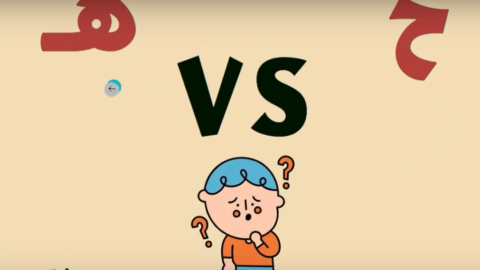
01:11 [ض vs ظ]: What is the difference between ض and ظ?
01:44 The different forms of writing the letter ض {ḍād} according to its positions.
02:36 In which words do we use the letter ض?
04:11 How to pronounce the Arabic letter ض {ḍād} with harakat (Arabic vowles); Shaddah, damma, kassrah, tanween, sukoun, mad?
04:42 Let’s practice how to pronounce the letter ض {ḍād} and ظ {ẓāʾ}.
The Arabic letter ض (ḍād, ضاد) is one of the most distinctive letters in the Arabic alphabet. It is the 15th letter and is famous because Arabic is often called “the language of the Ḍād” (لغة الضاد). This title stems from the uniqueness of the ض sound, which has traditionally been considered exclusive to the Arabic language.
For beginners, ض can indeed be one of the most challenging letters to pronounce, as it has no exact equivalent in English or most other languages. However, with proper tongue placement and consistent practice, mastering it is entirely achievable.
Basic Information
- Letter Name: ضاد
- Transliteration: ḍ
- Letter Number: 15
- Type: Consonant
- English Approximation: There is no exact English equivalent. It is often described as a heavy or emphatic “d” sound.
- Romanization: ḍ
How to Write the Letter ض
Like most Arabic letters, ض changes its appearance depending on its position in a word.
| Position | Form |
|---|---|
| Isolated | ض |
| Beginning | ضـ |
| Middle | ـضـ |
| End | ـض |
Unlike a few Arabic letters (such as د and ذ), ض connects to both the letter before it and the letter after it.
Writing Steps
- Begin with the basic body of ص (ṣād).
- Add one dot above the letter.
- Finish with the curved tail extending to the left.
A simple way to remember it is:
ض = ص + one dot above
How to Pronounce ض (Ḍād)
ض
The letter ض is an emphatic consonant, meaning that the tongue is positioned farther back in the mouth than for ordinary letters. The sound is much deeper and darker than the normal د (dāl).
To pronounce ض correctly:
- Place the tip or side of your tongue against the upper teeth or upper gums.
- Press the sides of the tongue lightly against the upper molars.
- Keep the back of the tongue raised.
- Produce a strong “d” sound while maintaining this heavy tongue position.
- Your lips remain relaxed.
The result is a deep, emphatic ḍ sound.
Comparing ض with Similar Arabic Letters
Many beginners confuse ض with similar letters. Here are the main differences.
ض vs د
| د | ض |
|---|---|
| Light “d” sound | Heavy emphatic “d” |
| Tongue stays relaxed | Tongue is retracted |
| Similar to English “d” | No exact English equivalent |
Example:
- درس (dars) — lesson
- ضرس (ḍirs) — molar tooth
The difference in pronunciation changes the meaning completely.
ض vs ظ
Although both are emphatic letters, they are pronounced differently.
| ض | ظ |
|---|---|
| Heavy “d” | Heavy “th” (as in this, but emphatic) |
Example:
- ضوء (ḍawʾ) — light
- ظهر (ẓahr) — back
ض vs ص
These letters have similar shapes but different sounds.
| ص | ض |
|---|---|
| No dot | One dot above |
| Heavy “s” | Heavy “d” |
Remember:
- ص
- ض = ص + dot
Examples of Words with ض
Here are some common Modern Standard Arabic words containing ض.
| Arabic | Transliteration | Meaning |
|---|---|---|
| ضوء | ḍawʾ | light |
| أرض | ʾarḍ | earth, land |
| أبيض | ʾabyaḍ | white |
| رمضان | Ramaḍān | Ramadan |
| مريض | marīḍ | sick |
| بيضة | bayḍah | egg |
| ضيف | ḍayf | guest |
| ضابط | ḍābiṭ | officer |
Practice reading these words slowly while emphasizing the heavy ḍ sound.
Practice Sentences
Read the following sentences aloud.
- هذا ضوءٌ قويٌّ.
Hādhā ḍawʾun qawiyyun.
“This is a strong light.” - الأرضُ واسعةٌ.
Al-arḍu wāsiʿatun.
“The land is vast.” - المريضُ في المستشفى.
Al-marīḍu fī al-mustashfā.
“The patient is in the hospital.”
Common Pronunciation Mistakes
Many beginners make one of these mistakes:
- Pronouncing ض exactly like the English d.
- Confusing ض with د.
- Pronouncing ض like ظ.
- Forgetting to make the sound emphatic.
- Keeping the tongue too relaxed.
The most important thing is to produce a deep, heavy “d” rather than a normal English d.
Tips for Mastering ض
To improve your pronunciation:
- Practice minimal pairs like درس / ضرس.
- Listen carefully to recordings by native Arabic speakers.
- Repeat words slowly before increasing your speed.
- Exaggerate the heaviness of the sound during practice.
- Record yourself and compare your pronunciation with native speakers.
Because ض is one of Arabic’s most distinctive sounds, mastering it will significantly improve your pronunciation and make your speech sound more natural.
Summary
The Arabic letter ض (ḍād) is the 15th letter of the Arabic alphabet and one of its most unique sounds. It is written like ص with a single dot above and connects to both preceding and following letters. Its pronunciation is an emphatic “d”, produced with the tongue retracted and the back of the tongue raised, giving it a deep, rich quality that has no exact English equivalent. Since Arabic is traditionally known as “the language of the Ḍād,” learning this letter correctly is an important milestone for every Arabic learner. With consistent listening, repetition, and practice, you’ll gradually develop the ability to distinguish ض from similar letters such as د, ظ, and ص, leading to clearer and more accurate Modern Standard Arabic pronunciation.







Great tremendous things here. I?¦m very satisfied to peer your post. Thanks so much and i am having a look forward to contact you. Will you please drop me a e-mail?
I relish, result in I discovered just what I used to be looking for.
You’ve ended my 4 day lengthy hunt! God Bless you man. Have a great day.
Bye