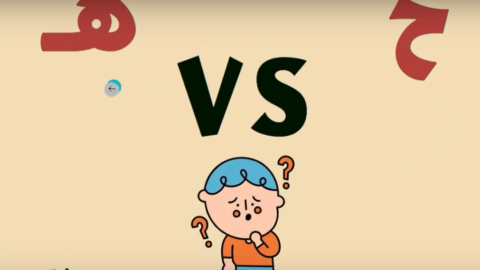

Arabic is one of the world’s most widely spoken languages, with over 300 million native speakers across more than 20 countries. Therefore, it is the language of the Quran, a major international language, and an excellent choice for anyone interested in travel, business, history, or Middle Eastern culture.
If you’re wondering “How do I learn Arabic?” or “Is Arabic difficult to learn?”, the answer depends on your native language, your learning method, and your consistency. With the right approach, Arabic is absolutely learnable.
Is Arabic Hard to Learn?
Arabic often has a reputation for being challenging for English speakers; however, many aspects are surprisingly easier than anticipated.
What makes Arabic challenging?
1. A New Alphabet
Arabic uses its own writing system with 28 letters.
Example:
| Arabic | Transliteration | English Sound |
|---|---|---|
| أ | ʾa | a |
| ب | b | b |
| ت | t | t |
| ك | k | k |
Unlike English, Arabic is written:
- From right to left
- With letters that change shape depending on their position in the word
2. New Sounds
Arabic contains several sounds that do not exist in English.
Examples:
- ح (ḥ)
- خ (kh)
- ع (ʿ)
- غ (gh)
- ق (q)
These may feel unusual at first, but regular listening and speaking practice will make them much easier.
3. Grammar
Arabic grammar includes concepts such as:
- Masculine and feminine nouns
- Singular, dual, and plural forms
- Verb conjugations
- Root-based word formation
- Case endings (in formal Arabic)
While this may seem overwhelming, beginners do not need to master everything at once.
What Makes Arabic Easier Than People Think?
Arabic also has many logical features.
The Alphabet Is Phonetic
Unlike English, Arabic words are generally pronounced the way they are written.
For example:
- باب → bāb → door
- بيت → bayt → house
- كتاب → kitāb → book
Once you know the letters, pronunciation becomes much more predictable.
Words Follow Patterns
Most Arabic vocabulary comes from three-letter roots.
Example:
Root:
ك ت ب (K-T-B)
Related words:
- كتب (kataba) — he wrote
- كتاب (kitāb) — book
- كاتب (kātib) — writer
- مكتبة (maktabah) — library
- مكتوب (maktūb) — written
Learning one root helps you understand many related words.
Vocabulary Builds Naturally
Many common expressions are repeated in daily conversation.
Examples:
- السلام عليكم — Peace be upon you.
- شكراً — Thank you.
- نعم — Yes.
- لا — No.
- من فضلك — Please.
These become familiar very quickly with regular practice.
How Long Does It Take to Learn Arabic?
The time depends on your goals.
Approximate milestones:
- 1–3 months: Learn the alphabet, pronunciation, and basic greetings.
- 3–6 months: Read simple texts and hold basic conversations.
- 6–12 months: Understand beginner stories and common daily conversations.
- 2–3 years: Reach an intermediate or advanced level with consistent study.
Studying for 20–30 minutes every day is usually more effective than several hours once a week.
The Best Way to Learn Arabic
Step 1: Learn the Arabic Alphabet
Start by learning:
- All 28 letters
- Their pronunciation
- Their different shapes
- How letters connect
Practice reading simple words before worrying about grammar.
Step 2: Master Pronunciation
Listen to native speakers.
Repeat words aloud.
Focus especially on letters such as:
- ح
- خ
- ع
- غ
- ق
Good pronunciation from the beginning makes speaking much easier later.
Step 3: Learn Common Words
Start with vocabulary you will use every day.
Examples:
| Arabic | Transliteration | Meaning |
|---|---|---|
| بيت | bayt | house |
| مدرسة | madrasah | school |
| ماء | māʾ | water |
| كتاب | kitāb | book |
| سيارة | sayyārah | car |
Learn words in small groups rather than long memorization lists.
Step 4: Learn Basic Grammar
Begin with simple topics:
- Personal pronouns
- Simple sentences
- Present tense verbs
- Past tense verbs
- Question words
Avoid trying to memorize advanced grammar too early.
Step 5: Practice Every Day
Daily practice is more important than long study sessions.
A simple routine might be:
- Read for 10 minutes.
- Listen for 10 minutes.
- Write for 5 minutes.
- Speak for 5 minutes.
Consistency is the key to long-term progress.
Should You Learn Modern Standard Arabic or a Dialect?
Most beginners should start with Modern Standard Arabic (MSA).
MSA is used in:
- Books
- News
- Education
- Formal speeches
- Most Arabic learning materials
After building a foundation in MSA, you can learn a regional dialect—such as Egyptian, Levantine, or Gulf Arabic—if your goal is everyday conversation.
Tips for Learning Arabic Faster
- Study a little every day.
- Learn vocabulary in context instead of isolated lists.
- Read short texts regularly.
- Listen to native speakers as often as possible.
- Practice speaking from the beginning.
- Review old lessons frequently.
- Don’t worry about making mistakes—they are a normal part of learning.
Common Mistakes Beginners Make
- Trying to memorize thousands of words immediately.
- Ignoring pronunciation.
- Skipping the alphabet and relying only on transliteration.
- Studying grammar without reading or listening practice.
- Expecting fluency in just a few weeks.
Learning Arabic is a gradual process, and steady practice leads to lasting improvement.
Frequently Asked Questions
Is Arabic harder than Spanish or French?
For most English speakers, Arabic is generally more challenging because of its alphabet, sounds, and grammar. However, once you understand its writing system and word patterns, progress often becomes much faster.
Can I learn Arabic by myself?
Yes. Many learners successfully study Arabic independently using structured lessons, audio practice, reading materials, and regular speaking practice. Having a teacher or language partner can help with pronunciation and conversation.
Is it necessary to learn the Arabic alphabet?
Yes. Learning the alphabet early makes reading, pronunciation, and vocabulary much easier than relying on transliteration.
How much should I study each day?
Even 20–30 minutes of focused daily practice can produce steady progress over time.
Final Thoughts
Arabic may seem difficult at first, but it is a highly structured and rewarding language. By learning the alphabet, practicing pronunciation, building vocabulary gradually, and studying consistently, you can make steady progress and gain confidence.
Remember, fluency doesn’t come from studying for long hours occasionally—it comes from practicing a little every day. With patience and persistence, Arabic becomes not only manageable but also an enjoyable language to learn.
You can follow our channel to learn more about why learning Arabic can be hard, interesting facts about the Arabic language, some helpful tips to learn to speak Arabic, and pronunciation tips, grammar tips, etc.